A Guide for Contract Farmers
We provide resources and community to farmers facing unfair practices or considering their optionsOverview
Contract farming can appear to offer security, but for livestock farmers, it often comes with significant risks. Here are three key topics that outline the fundamental challenges of the system.The Power Imbalance
The "Tournament" System
Most contract farmers are paid based on a "tournament" system. Companies rank all their growers in a given area based on how efficiently they raised their flocks. Farmers at the top of the ranking receive a bonus, while those at the bottom receive less than their base pay. This system is often viewed as unfair because the farmer has no control over the quality of the inputs (chicks, feed) that the company provides, which are the main factors in their success.
The Lack of Autonomy
Despite being classified as "independent contractors," contract farmers have very little autonomy. The company dictates everything from the size of the barns and the type of equipment to the feed and medication protocols. The farmer's role is often reduced to that of a laborer managing someone else's property, and any protest or complaint can lead to retaliation, such as being given sick flocks or having their contract terminated.
If you are a contract grower struggling in the system, contact us. We might be able to help or refer you to experts for guidance on:

Contract Trouble
Explore ways to end your contract and shift your operation to other forms of agriculture.
Know Your Rights
Growers have federal protections under the Packers and Stockyards Act.
Crisis Resources
Farmers and their families often face intense stress; we’re here to help.
Transition Assistance
Feeling trapped in an exploitative contract? We can help find legal options.
Big meat corporations routinely exploit contract growers. Learn why the industry’s unfair contracts are a bad deal for you and your business.

Significant Risks
Contract growing requires you to invest hundreds of thousands of dollars to build barns and other infrastructure that can’t easily be used for anything else. If you lose the contract, you’re saddled with massive debt and no clear way to repay it.
Better Farming Solutions
Many contract growers finance their operation using generational farmland and family homes as collateral. If the company terminates your contract, then you’re at risk of losing your home and your farm.
Imbalance of Power
Grower contracts are written by the company, to protect the company. There is no good-faith bargaining; it’s a “take it or leave it” agreement, legally called a “contract of adhesion.”
Real Farmers, Real Stories
These farmers have all been contract growers for big meat corporations. Learn why they wouldn’t make the same mistake again.Craig Watts North CarolinaI began to despise the model. Being a contract grower wasn’t a good deal. I had zero control over an unethical business that was being run on my land and it wasn’t providing a livable income to support my family. It put us into so much debt we had to consider bankruptcy.
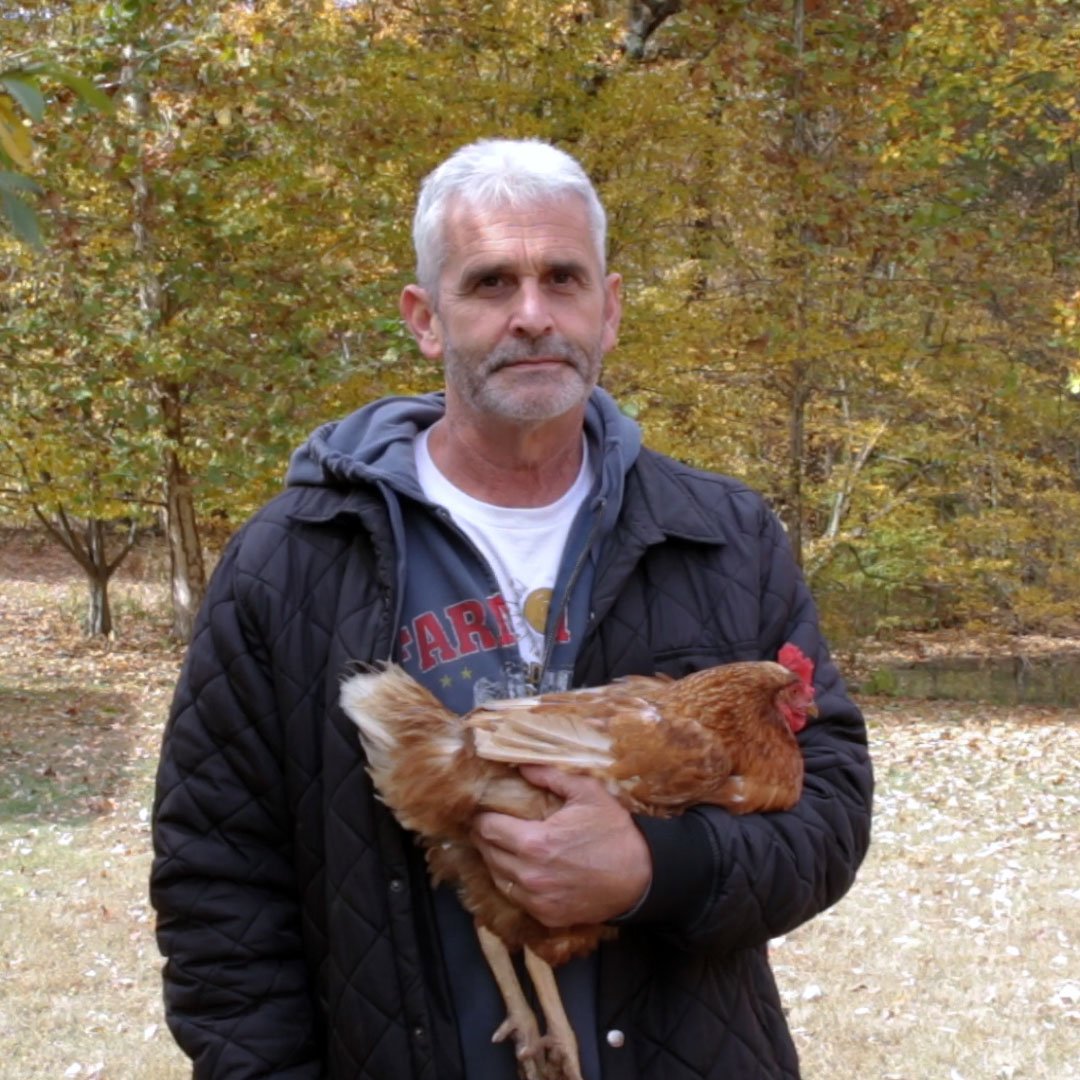
We realized raising chickens under contract in the industrial model was a huge mistake. We felt like we had our backs against the wall with no way out. This was not the dream we had pictured.Michael Diaz South Carolina

Susie Crutchfield ArkansasWe were just three years away from finally being able to pay off the debt we took on to get into the business. Meeting Tyson’s demands, which included $300,000 to upgrade the chicken barns, would have set us back financially for two more decades.

Paula BolesNorth CarolinaIt wasn’t so much what [the company] did tell us, but all of the things they didn’t tell us, that pushed us down a path which nearly bankrupted us.